IDENTIFICATION
Rat or mouse?
The evidence tells you.
You rarely see the animal. You almost always see what it left behind, and that is enough to choose the right trap the first time.
SIDE-BY-SIDE
Six signs, compared.
Droppings are the single most reliable indicator. Size and shape separate the two clearly.
| Sign | Rat | Mouse |
|---|---|---|
| Droppings | Around 12 to 19mm, capsule or spindle shaped | Around 3 to 6mm, pointed at both ends |
| Gnaw marks | Larger, rougher, often on wood, plastic and pipework | Fine, small, often on packaging and cable |
| Grease marks | Common. Dark smears along walls, pipes and beams | Uncommon and much fainter |
| Behaviour | Wary of new objects for several nights | Curious. Often investigates within hours |
| Typical route | Ground level, drains, walls, outbuildings | Wall voids, cupboards, under kitchen units |
| Suggested format | Rat Traps — 6 Pack | Mouse Traps — 6 Pack |
WHY IT MATTERS
The wrong size trap is a wasted week.
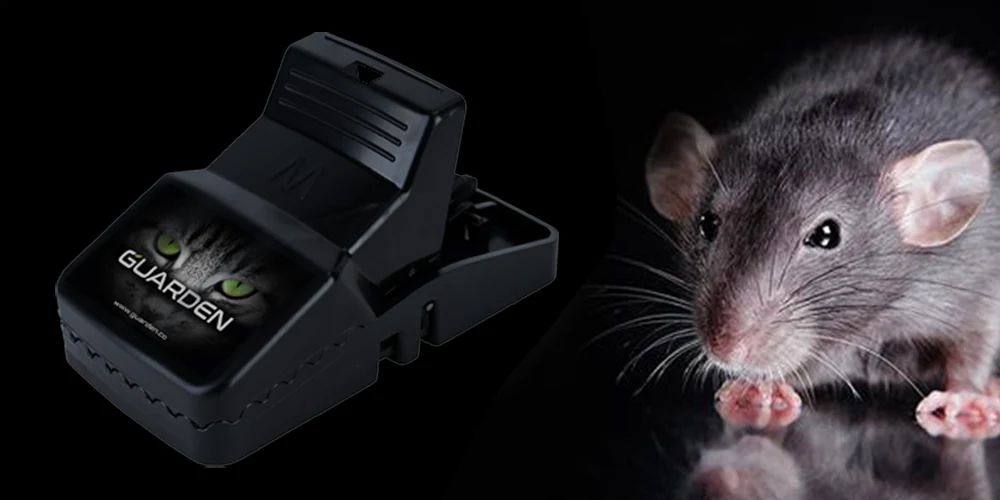
A mouse can cross a rat trap without generating enough weight to fire it reliably. A rat meeting a mouse-sized trap is a different problem again. Matching the format to the animal is the cheapest decision in the whole process.
Rat-sized activity: use full-size snap traps
Mouse-sized activity: use compact traps, spaced closer together
Evidence of both: run both formats on their own routes
Unsure: start with droppings, they are the clearest tell
NEXT STEP
Match the format to what you found.


MORE GUIDES
Keep reading before you set the next one.
Short, practical pages written for the first night of a rodent problem, not for pest-control professionals.